Insights from Netflix, The One Enterprise, and IFC An Affiliated Program of the 2026 IMF-World Bank Group Annual Meeting
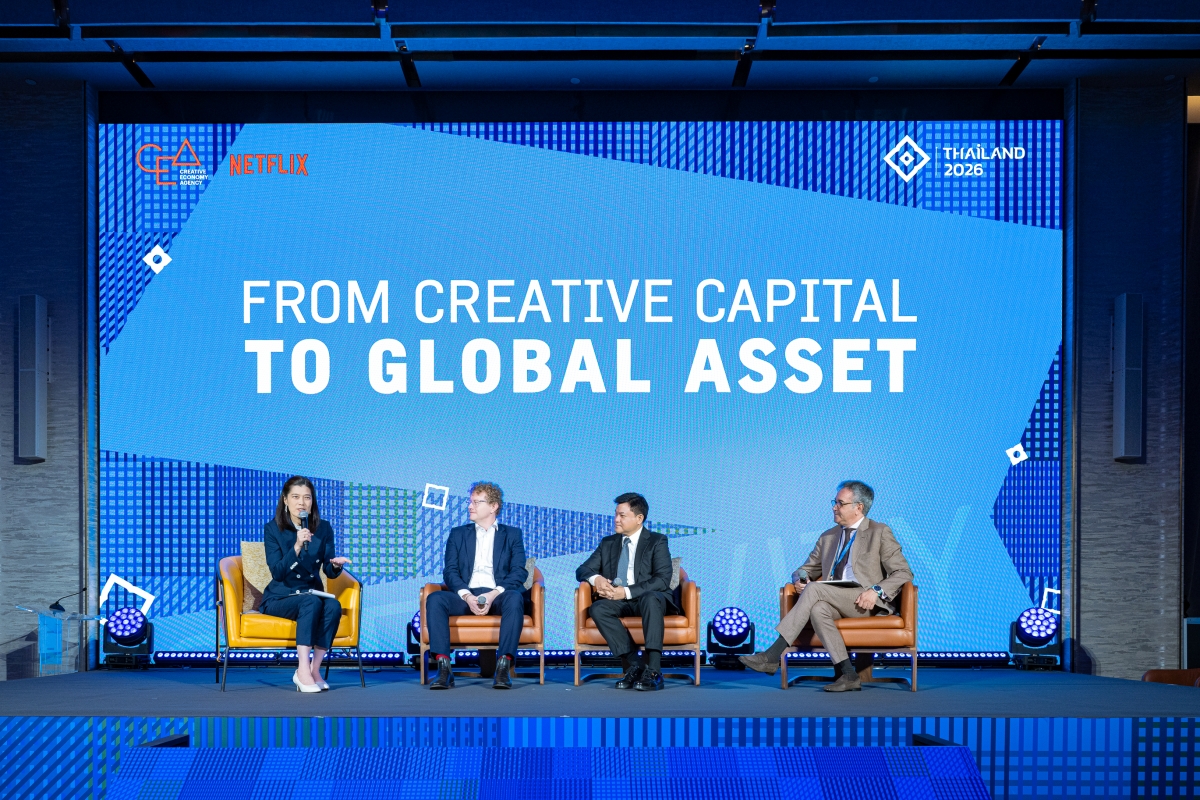
The Creative Economy Agency (Public Organization) or CEA, hosted “CREATIVITY AS CAPITAL: Driving the Next Growth Frontier” as an official Affiliated Program of the 2026 IMF–World Bank Group Annual Meetings, held on 13 October 2026. The program featured a policy forum titled “From Creative Capital to Global Asset,” that brought together perspectives from international executives and leading creative content industry figures on how creative intellectual property (IP) can evolve from creative works into high-value assets capable of attracting investment, generating economic value and enabling businesses to scale into global markets.
The forum featured Mr. Andrew Ure, Vice President for Global Affairs – APAC, Netflix; Mr. Takonkiet Viravan, Group Chief Executive Officer, The One Enterprise Public Company Limited; and Mr. Farid Fezoua, Global Director of Equity, Funds, Venture Capital and Creative Industries, International Finance Corporation (IFC). The panelists were invited to share their perspectives from the business, global streaming, and international finance sectors.
Netflix Highlights Strong Potential for “Thai Content” Beyond the Domestic Marke
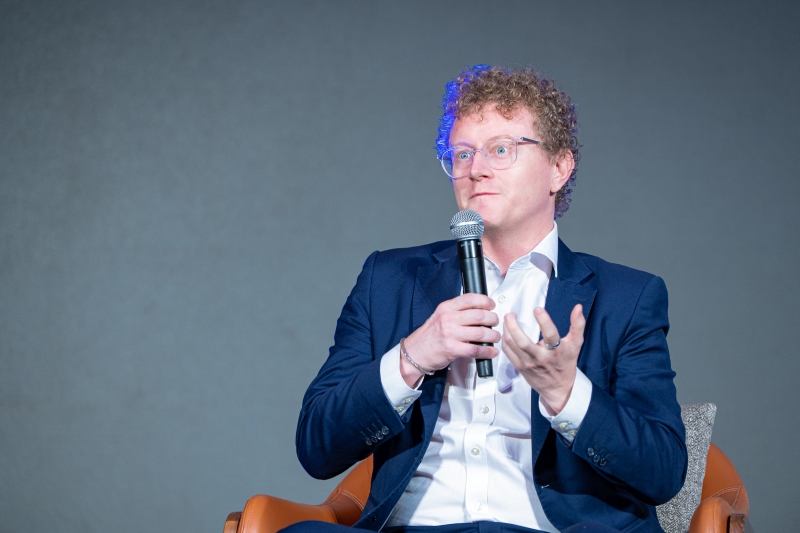
Mr. Andrew Ure, Vice President, Global Affairs - APAC, Netflix said that Thai content has a strong domestic audience base. According to Netflix, approximately 90% of Netflix viewers in Thailand watch Thai content, reflecting domestic demand and market potential. Meanwhile, Thai films and content have also been well received by audiences across various markets worldwide. To drive the global growth of Thai content, investment incentives, production infrastructure, and a diverse range of filming locations are essential to strengthening production capabilities and attracting foreign investment.
Mr. Ure added that the link between the film industry and tourism was also highlighted, with studies showing that locations featured in films can significantly increase tourist arrivals. This reflects how content not only generates value through viewership but also creates broader economic impacts, including promoting tourism and strengthening international relations.
Regarding intellectual property (IP), Mr. Ure noted that Thailand has regulations and a business environment conducive to business operations, providing a supportive foundation for the future growth of the creative industries. Netflix also reported that between 2021 and 2024, the company invested more than US$ 200 million in content production in Thailand, generating over 13,500 jobs for Thai cast and crew. By 2024, Thai content on the platform had accumulated more than 750 million viewing hours, with over 33 Thai titles entering the Global Top 10 in the Non-English category. One of the latest examples is The Evil Lawyer, which ranked 4th globally among the most-watched Non-English series. This demonstrates the potential of Thai content to reach global audiences, from its development at home to its success on the international stage.
IFC Emphasizes Access to Finance as Critical to Turning IP into Business Valu
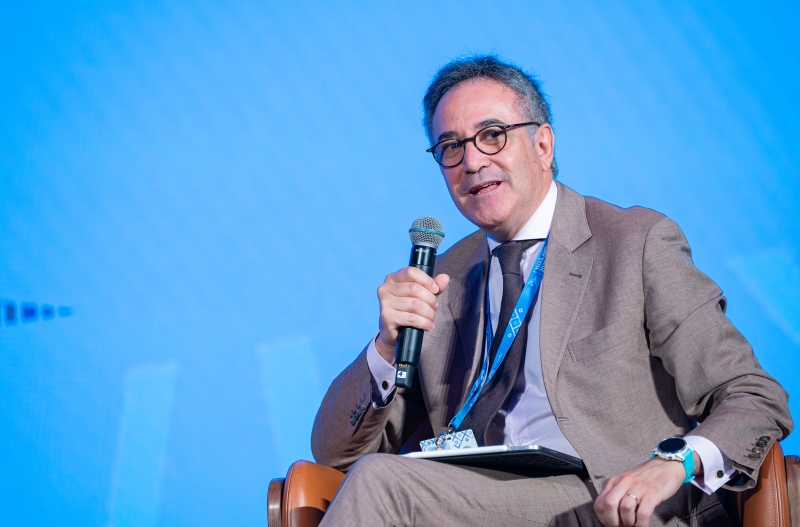
Mr. Farid Fezoua, Global Director of Equity, Funds, Venture Capital and Creative Industries, International Finance Corporation (IFC), said that a challenge for content creators is access to funding, especially because creators focus on storytelling while investors interest is based on return on investment.
Therefore, creators need to develop their intellectual property (IP) into financially valuable assets that can generate revenue and attract investment. They should also learn to work effectively with various platforms to build partnerships that support sustainable business growth.
Meanwhile, the financial sector plays a more significant role in supporting entrepreneurs and creators by providing knowledge, developing their skills in accessing financing, and advising them on how to prepare clear business plans and financial statements for effective presentation to financial institutions..
“The key word is ‘risk reduction’ for a creator’s business. If creators have a clear business plan, an investment proposal, and the ability to demonstrate their revenue-generating potential, they are more likely to access financing. At the same time, financial institutions should offer them financial solutions tailored to the specific needs of creative businesses. Any combination of these would create a supportive ecosystem for content creators,” Mr. Fezoua explained.
The One Enterprise Positions “Thainess” as a Competitive Advantage in Global Market
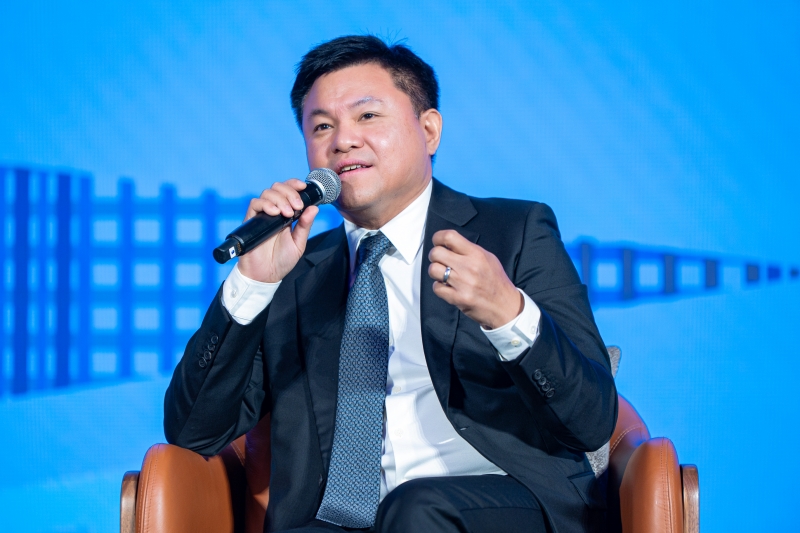
Meanwhile, Mr. Takonkiet Viravan, Group Chief Executive Officer, The One Enterprise Public Company Limited, said that “Thainess” is a key strength in creating and exporting Thai content. The challenge lies in elevating such content to the global stage.
The One Enterprise Public Company Limited has organized more than 300 fan meetings in various countries. This reflects the potential of combining Thai storytelling with universal elements. Thai actors also play a key role in connecting Thai content with fan communities in international markets.
“Although the global market is our goal, we should not forget to present our Thainess to global audiences. This uniqueness gives a distinct signature to all Thai content, which has been widely accepted among international viewers,” he said.
Regarding IP, he said it would become a powerful instrument to drive the creative content business. The One Enterprise has placed importance on acquiring intellectual property and copyrights, seeking a balance with revenue, with the aim of unlocking long-term business value from its IP assets. He stated a hope that with cooperation between all stakeholders, local content creators would be empowered to reach global markets and build a recognized Thai content brand among global audiences.
The “From Creative Capital to Global Asset” forum highlighted a critical shift in the direction of Thailand’s creative economy — from viewing “creativity primarily as cultural capital to developing creative IP as an investable asset capable of generating revenue, attracting financing, scaling businesses, and connecting Thai creative enterprises with global markets. This transition will be an important mechanism for strengthening Thailand’s creative economy and positioning it as a new growth engine for the country over the long term.
Posted in news-en on ต.ค. 21, 2026